Best Self-Watering Planters for Busy People
Between work deadlines, family obligations, and the occasional vacation, keeping houseplants watered consistently can feel like one more chore on an endless list. Self-watering planters solve this problem elegantly — they use a built-in reservoir system to deliver moisture to your plants gradually, so you can go days or even weeks between refills.
How Self-Watering Planters Work
Most self-watering planters use a wicking or capillary action system. The planter has two chambers: a soil chamber on top and a water reservoir below. A wick or the soil itself draws water up from the reservoir as the plant needs it. Some designs also include a water level indicator so you know exactly when it's time to refill.
This setup mimics how plants absorb water in nature — steadily, from below. It prevents the common problems of overwatering (soggy roots) and underwatering (dry, stressed plants). For busy people, it's a game-changer.
Self-Watering Planter Options
Mkono Self-Watering Pots (Set of 6)
These lightweight, minimalist planters are an affordable way to get started with self-watering. Each pot has a built-in wick that draws water from the bottom reservoir. They come in a set of six, making them perfect for grouping several small plants together on a windowsill or shelf. The clean white design blends into any decor, and the smaller size works well for herbs, succulents, and small houseplants.
Recommended: Mkono Self-Watering Pots
Set of 6 self-watering planter pots with wick system. Lightweight and clean design for small houseplants and herbs.
View on Amazon →Lechuza Self-Watering Planter
Lechuza is one of the most recognized names in self-watering planters, and for good reason. Their planters feature a sub-irrigation system with a water level indicator, so you always know how much water remains. The design is sleek and modern, and the reservoir holds enough water to keep plants happy for up to 12 weeks depending on the plant type and size. These planters are a solid investment if you want something that looks polished in a living room or office.
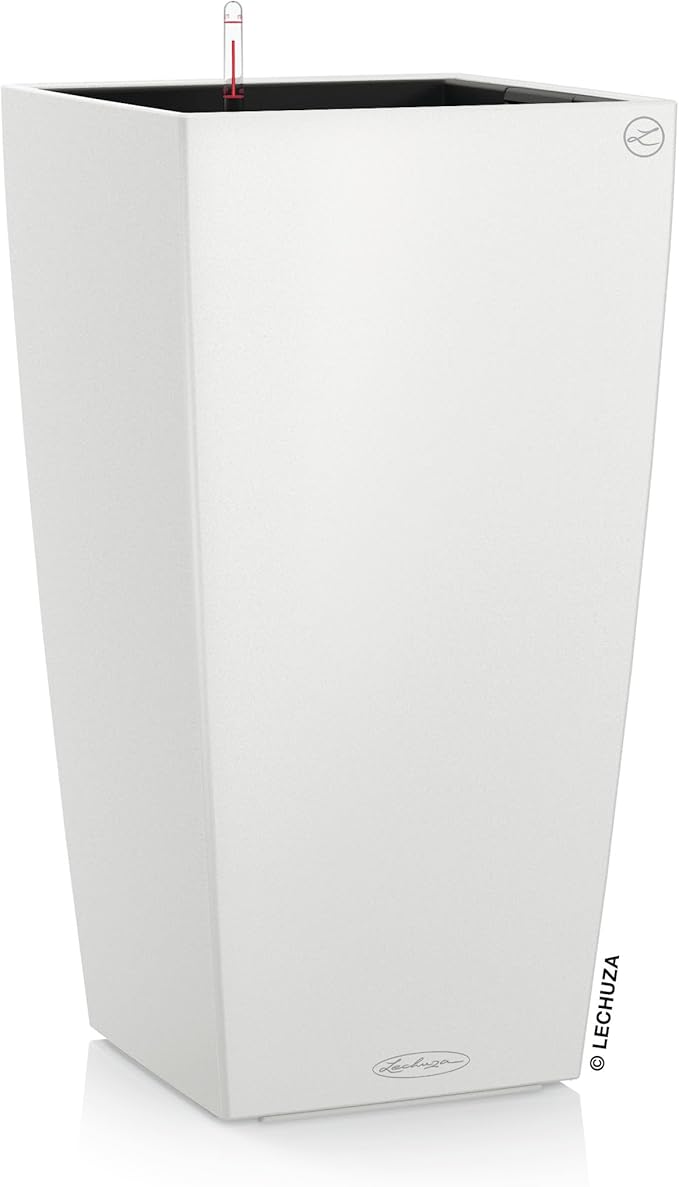
Recommended: Lechuza Self-Watering Planter
Premium self-watering planter with sub-irrigation system and water level indicator. Modern design suitable for larger houseplants.
View on Amazon →African Violet Self-Watering Pot
African violets are notoriously fussy about getting water on their leaves — it causes spotting and rot. These classic ceramic self-watering pots use an unglazed inner pot that wicks water directly to the roots, keeping the foliage completely dry. While designed specifically for African violets, they work well for any small plant that prefers consistent moisture, including peace lily seedlings and small ferns.
Recommended: African Violet Self-Watering Pot
Ceramic self-watering planter designed for African violets. Inner pot wicks moisture directly to roots while keeping leaves dry.
View on Amazon →Self-Watering Window Box
Window boxes with built-in self-watering systems are ideal for growing herbs, trailing plants, or a row of small houseplants along a sunny windowsill. The elongated reservoir runs the length of the planter, providing even moisture distribution. These are especially useful if you want to grow a kitchen herb garden without worrying about daily watering.

Recommended: Self-Watering Window Box
Self-watering window box planter with built-in reservoir. Perfect for herbs, trailing plants, and kitchen gardens.
View on Amazon →Best Plants for Self-Watering Planters
Not every plant thrives in a self-watering setup. Plants that prefer consistently moist soil do best, while succulents and cacti that need to dry out between waterings are better suited to traditional pots. Here are some great candidates:
- Peace Lily — Loves consistent moisture and will reward you with regular blooms in a self-watering planter.
- Pothos — Adaptable and forgiving, pothos thrives with the steady moisture a self-watering system provides.
- African Violet — These plants need even moisture and hate wet leaves — a self-watering pot is practically made for them.
- Ferns (Boston, Maidenhair) — Ferns prefer moist soil and humid conditions, making them excellent self-watering candidates.
- Herbs (Basil, Mint, Parsley) — Kitchen herbs grow vigorously with consistent watering, and a window box planter makes harvesting easy.
- Spider Plant — Easy-going and adaptable, spider plants appreciate the even moisture delivery.
Tips for Using Self-Watering Planters
- Don't let the reservoir run completely dry — refill when the indicator shows low or about once a week as a general rule.
- Use a well-draining potting mix — standard potting soil works fine, but avoid heavy garden soil that can clog the wick.
- Clean the reservoir periodically — every few months, empty and rinse the reservoir to prevent mineral buildup or algae.
- Avoid fertilizing through the reservoir — feed your plants from the top instead to prevent salt buildup in the water chamber.
As an Amazon Associate, I earn from qualifying purchases.